Hardness numbers you can act on
gpg, ppm, and what to do after you test—before you buy a system. Clear metrics without the sales pitch.
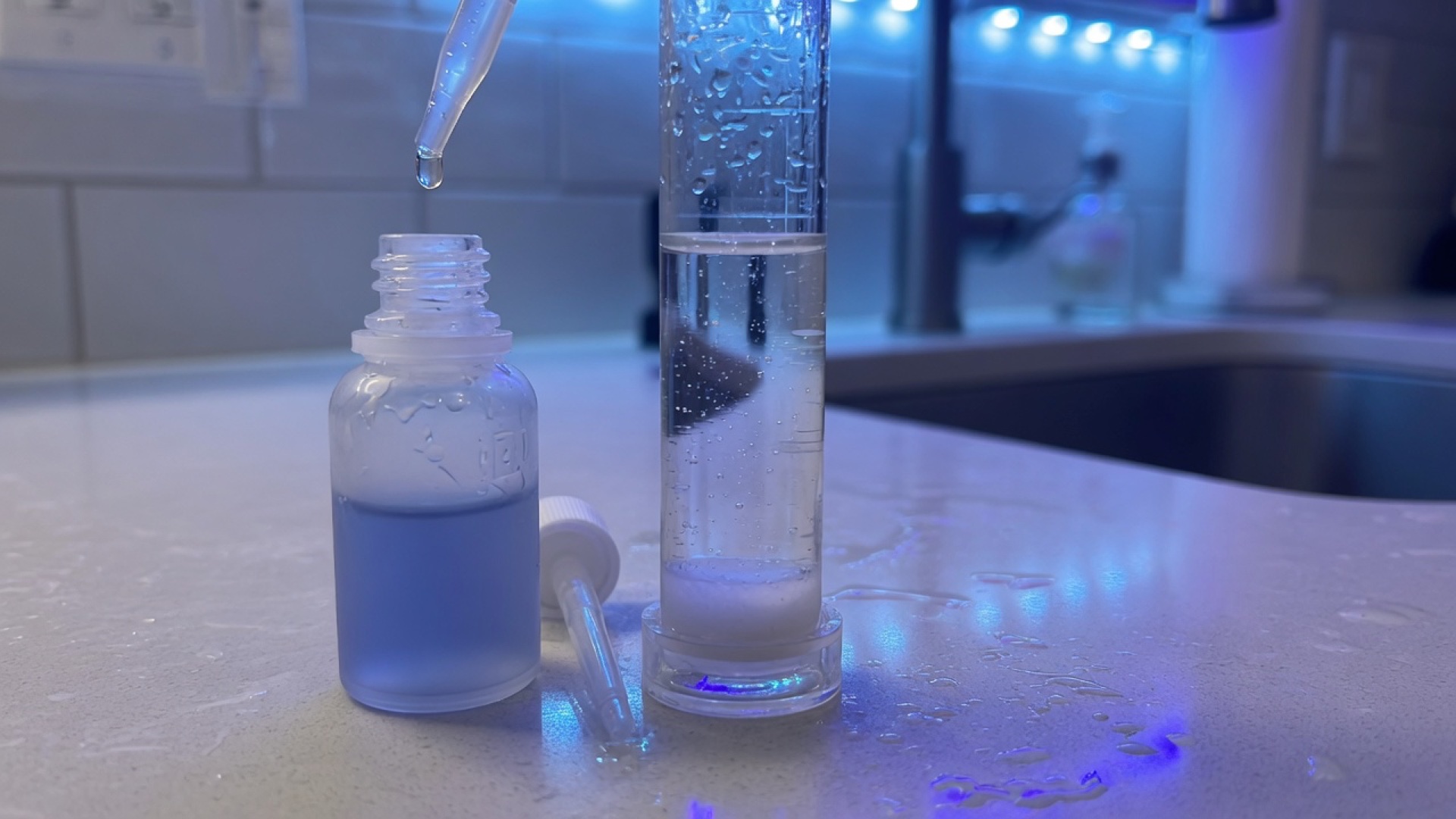
Hardness scale (gpg)
Most U.S. homes sit in hard or very hard—that’s why softeners exist.
Water parameters
Start with hardness
Guides that explain water numbers—hardness first, then other parameters as we publish them.
More parameters
Coming soon
TDS / dissolved solids
What a TDS meter measures—and what it does not tell you about hardness.
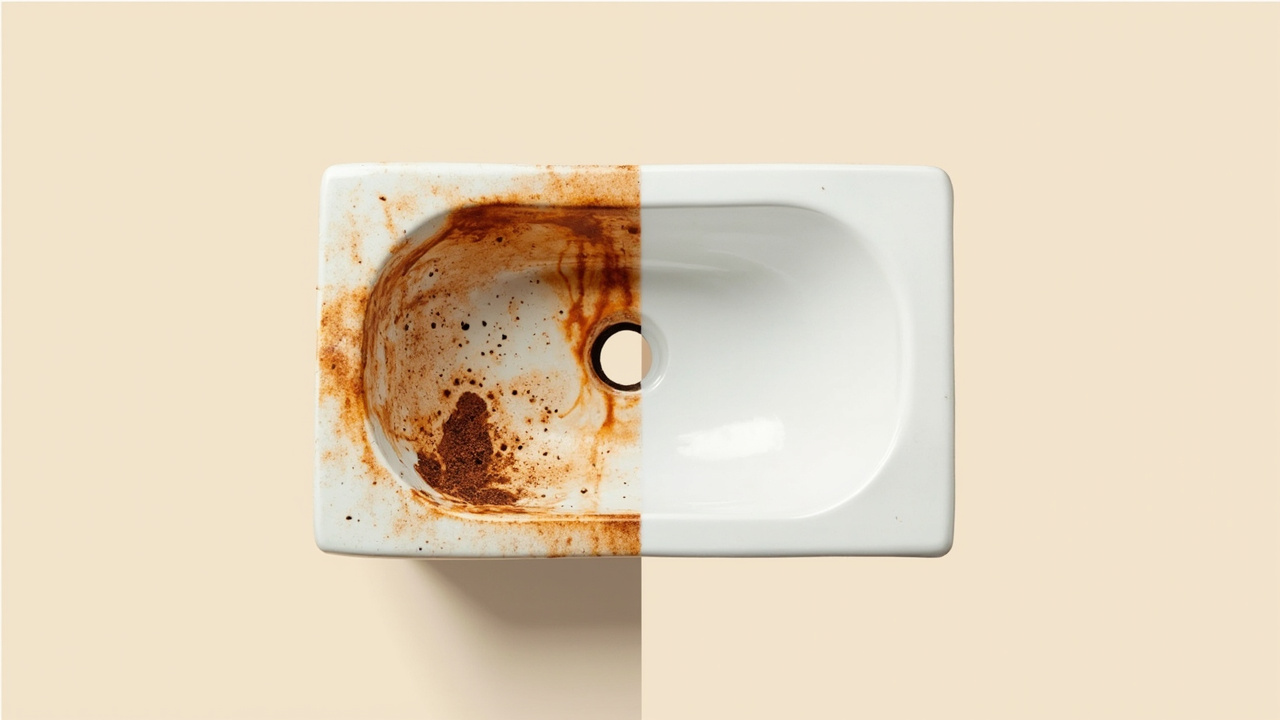
Iron in Water: What It Does, How to Test, How to Treat
Iron in well or city water stains fixtures and laundry. Ferrous vs ferric, when a softener handles it, and when you need a dedicated iron filter.
Read →How numbers drive gear
Cross-hub exits (kits / tools / choose)—not Water parameter articles.
- 01
Get a kit
Drop test or strips—get a real gpg before you shop.
- 02
Read hardness
gpg (or ppm ÷ 17.1). That number drives capacity.
- 03
Size or choose
People × use × hardness → tank size, then system role.
Or how to choose a softener when you already have a gpg.
In this hub only
All water guides
Published water parameter guides in this hub.
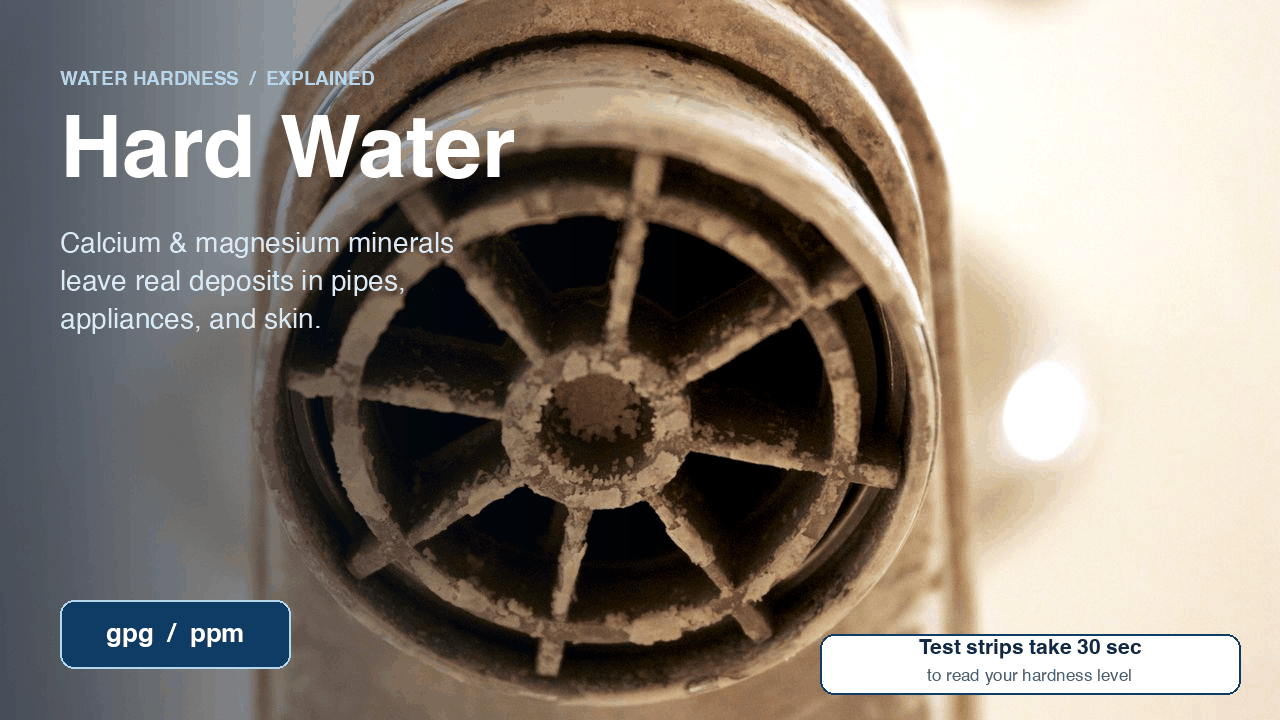
Water Hardness Explained (gpg, ppm, How to Test)
Hardness units (gpg and ppm), typical ranges, home testing, and how hardness drives softener size.
Read guide Iron in Water: What It Does, How to Test, How to Treat
Iron in well or city water stains fixtures and laundry. Ferrous vs ferric, when a softener handles it, and when you need a dedicated iron filter.
Read guideLeave Water when you’re ready
Numbers are one hub. Systems, essentials, and problems are the next doors.